Lithium Battery and Inverter System: The Complete Guide for Solar Energy Storage

A stable, high-efficiency energy storage system relies on perfectly matched lithium batteries and power inverters. As core components of residential, commercial, and industrial solar power systems, these two devices determine overall energy efficiency, operational safety, and service life. More buyers worldwide are switching from traditional lead-acid batteries to LiFePO4 lithium batteries paired with smart hybrid inverters for longer lifespan, higher safety, and lower maintenance costs. This article explains how lithium batteries and inverters work together, key matching standards, core advantages, and professional factory solutions for global energy storage projects.
Why Lithium Batteries Replace Traditional Batteries for Inverter Systems
Traditional lead-acid batteries have long been used for backup power and solar storage, yet they suffer from low cycle life, heavy weight, deep discharge damage, and frequent replacement problems. Modern lithium iron phosphate batteries have become the mainstream choice for inverter energy storage systems due to obvious technical advantages.
First, ultra-long cycle life. Standard LiFePO4 batteries support over 4000–6000 charge and discharge cycles, while lead-acid batteries only reach 500–800 cycles. This greatly reduces long-term replacement costs for solar stations and off-grid power systems.
Second, higher energy density and lightweight design. Lithium batteries store more power in smaller size, making them suitable for home solar storage, portable power stations, RV energy systems, and industrial backup power projects.
Third, excellent deep discharge performance. Lithium batteries support 90%–95% deep discharge without damaging cell performance, ensuring users utilize stored solar energy to the maximum extent.
Fourth, intelligent BMS protection system. Every lithium battery pack is equipped with a built-in Battery Management System to prevent overcharging, over-discharging, over-current, short circuit, and high-temperature risks. It also supports real-time communication with hybrid inverters for synchronized power adjustment.
How Inverters Work with Lithium Battery Storage Systems
An inverter is the key device that converts DC power stored in lithium batteries into AC power for household and industrial electrical equipment. The compatibility between inverter parameters and lithium battery specifications directly affects system stability and safety.
Unlike ordinary inverters designed for lead-acid batteries, lithium battery dedicated hybrid inverters feature adjustable charging voltage, fast charging response, and active BMS communication compatibility. Since lithium batteries have stricter voltage tolerance and faster charge acceptance speed, mismatched ordinary inverters will cause incomplete charging, overheating, or even battery damage in long-term operation.
Modern hybrid inverters support off-grid, on-grid, and hybrid working modes. They can automatically switch between solar power, lithium battery stored power, and grid power, realizing intelligent peak shaving and energy self-sufficiency. With smart monitoring functions, users can check battery SOC, real-time power generation, load consumption, and system running status through mobile APP or cloud platform.
Key Standards for Matching Lithium Batteries and Inverters
For solar installers, project contractors, and bulk buyers, correct matching is the core of a reliable energy storage system. Below are the most critical matching parameters for global energy storage projects.
- Voltage Matching
Common system voltages include 12V, 24V, 48V low-voltage systems for home use, and high-voltage series systems for commercial energy storage. The inverter rated DC voltage must fully match the lithium battery pack voltage to avoid system failure and protection shutdown.
- Power and Load Matching
Buyers need to confirm the inverter continuous power and surge power according to actual load equipment. Industrial motors and refrigerators require high surge power support. Meanwhile, the lithium battery continuous discharge current and BMS current limit must meet the inverter maximum output demand.
- Charging Parameter Adaptation
Lithium batteries require precise constant current and constant voltage charging curves. Professional inverters support customized lithium battery charging modes to improve charging efficiency and extend battery cycle life.
- BMS Communication Compatibility
High-end energy storage systems support RS485 and CAN communication between inverters and lithium batteries. Real-time data interaction helps the inverter actively adjust charging and discharging strategies and improve overall system safety.
Core Advantages of Our Factory Lithium Battery and Inverter Solutions
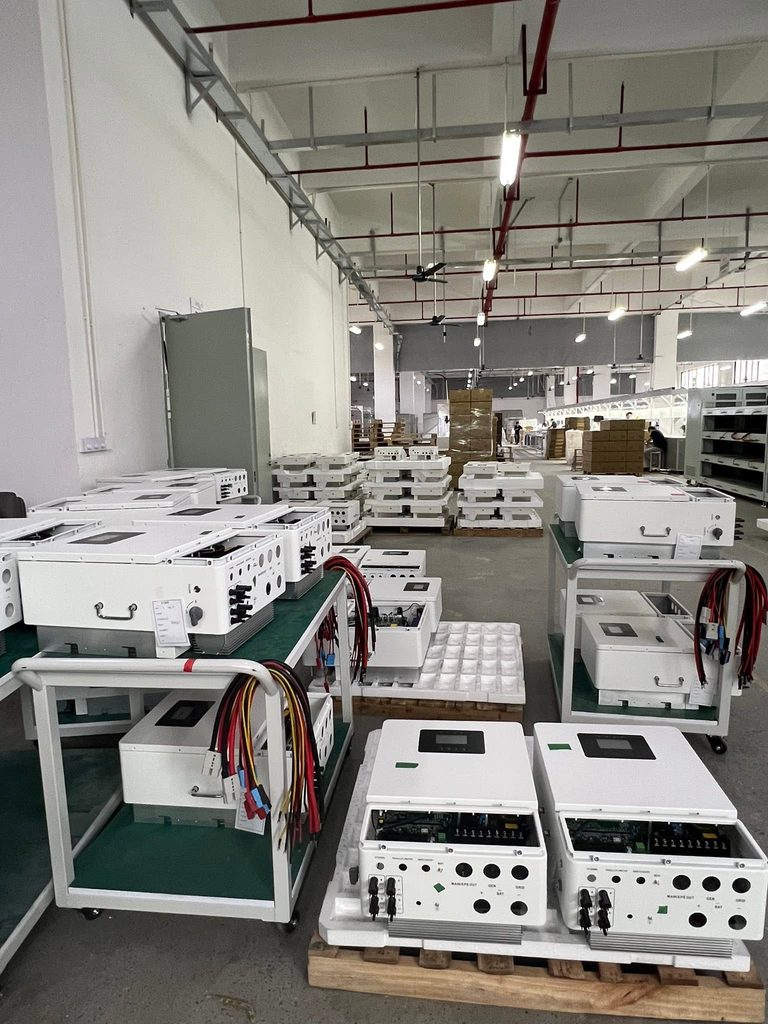
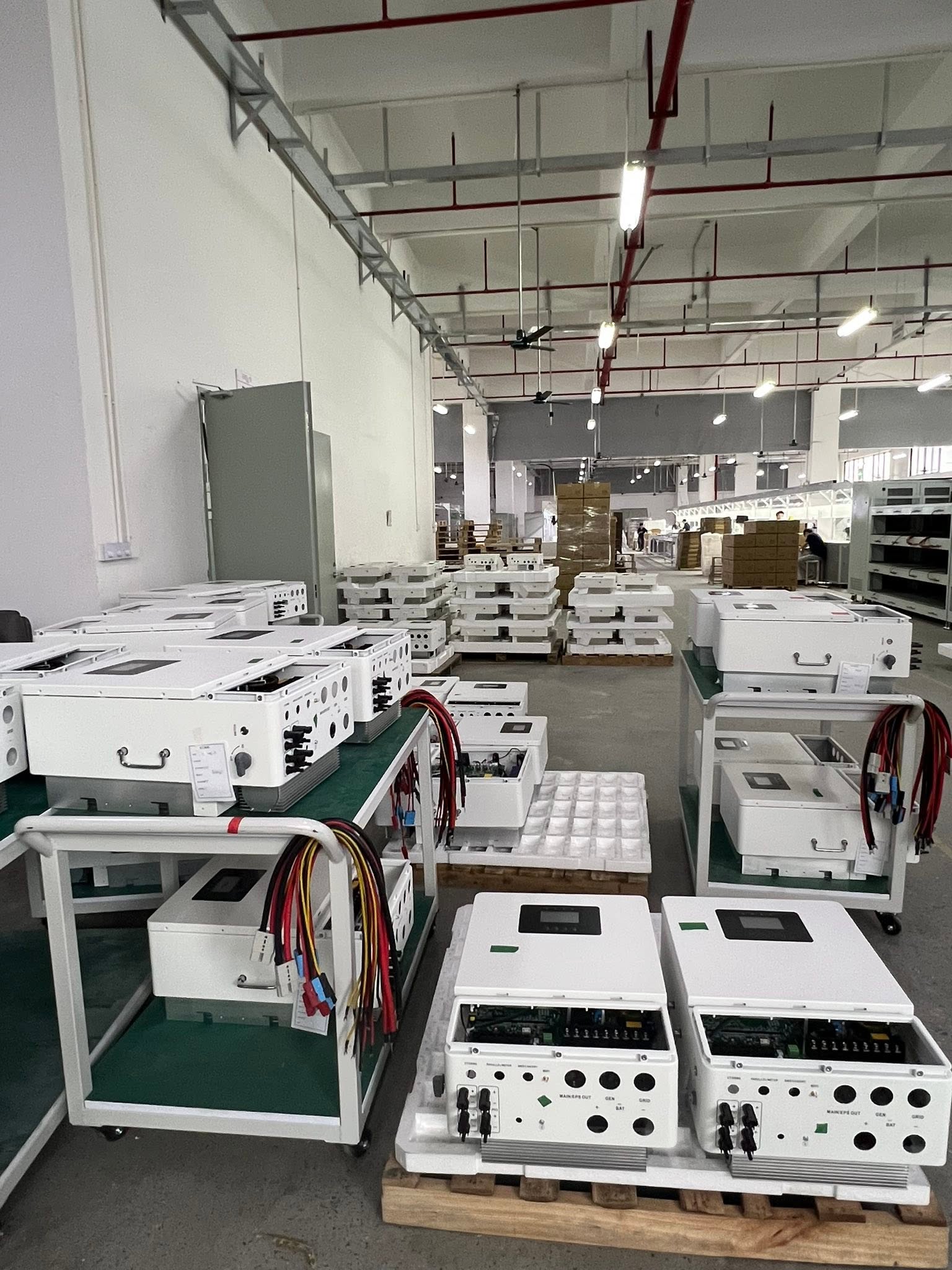
As a professional manufacturer specializing in lithium batteries and solar inverters, we provide one-stop energy storage solutions for global distributors, engineering companies, and end users.
- Full Series Product Coverage
We supply LiFePO4 lithium batteries, off-grid inverters, on-grid inverters, hybrid solar inverters, and all-in-one energy storage systems. Product power ranges from 500W portable models to 500KW industrial energy storage equipment, covering home, commercial, industrial, RV, and solar power station scenarios.
- Strict Quality and Global Certification
All inverters and lithium battery products pass CE, RoHS, IEC, and other international certifications. Strict raw material inspection, aging testing, and full-function testing ensure stable performance for long-term overseas operation and meet European, Southeast Asian, African, and Middle Eastern market standards.
- Custom OEM & ODM Service
We support custom battery capacity, voltage, appearance logo, shell color, inverter program parameter adjustment, and system integrated customization. We help customers build their own brand energy storage products with low MOQ and flexible cooperation terms.
- Factory Direct Price and Stable Supply
Without middlemen, we provide factory wholesale prices and stable production capacity. We support bulk order delivery, container loading, and long-term exclusive agent cooperation for global partners.
- Professional After-Sales and Technical Support
Our technical team provides free system matching guidance, installation manuals, remote technical guidance, and global after-sales warranty service. We help buyers solve parameter matching, system debugging, and project scheme design problems.
Common Application Scenarios of Lithium Battery & Inverter Systems
1. Home Solar Energy Storage: Realize household electricity self-use, grid peak shaving, and power outage backup.
2. Commercial & Industrial Energy Storage: Reduce industrial electricity cost and support factory peak power supply.
3. Off-Grid Solar System: Suitable for remote areas without stable grid power.
4. RV & Marine Energy Storage: Portable, lightweight, and shock-resistant for mobile power demand.
5. Emergency Backup Power: For hospitals, communication base stations, and server rooms.
Final Conclusion
The combination of lithium batteries and smart inverters has become the standard solution for modern new energy storage systems. Reasonable parameter matching, reliable product quality, and professional system design directly determine the safety, efficiency, and service life of solar energy storage projects.
As a trustworthy lithium battery and inverter manufacturer from China, we always focus on high-quality energy storage equipment and one-stop customized solutions. Whether you need retail equipment, bulk wholesale, or private brand OEM customization, we can provide competitive factory prices and professional technical support.
Welcome global buyers, distributors, and solar project engineers to contact us for product catalogs, technical parameters, quotation, and project solution consultation.